Mikä syy? 161 tekstiiliyritystä Zhejiang Textile -yrityksen päätoimipaikassa Kiinassa määrättiin lopettamaan tuotanto!
Mar 01, 2022
Jätä viesti
mikä syy? 161 tekstiiliyritystä Kiinan Zhejiangin tekstiilin pääpaikalla määrättiin lopettamaan tuotanto!
161 textile enterprises in China's Zhejiang Province received a notice to suspend production for rectification. Why is this happening? Zhejiang Province is a major textile province in my country. These 161 textile enterprises account for 35 percent of the national output value of the industry. Why did they suddenly receive a notice to stop production?

Tekstiiliteollisuuden tausta määrätään korjattavaksi
Not long ago, China proposed to reduce energy consumption per unit of GDP by 13.5 percent during the "14th Five-Year Plan" period as one of the main binding indicators for economic development. This target is relatively lower than the requirement during the "13th Five-Year Plan" period. 1.5 percentage points.
Nine provinces and regions including Yunnan, Guangdong, Guangxi, Ningxia, Qinghai, and Jiangsu were included in the "red light" first-level warning, because the energy consumption of these provinces in the first half of 2021 has not decreased, but has increased. In addition, the energy consumption intensity of 10 provinces including Henan, Liaoning, and Zhejiang has decreased, but the decrease is not enough, and they have been included in the "yellow light" second-level early warning.
Vaikka Kiina on asettanut erityisiä vaatimuksia, energiankulutuksen kasvuun on monissa maakunnissa erityisiä syitä.
Ensinnäkin epidemian aikana useiden merentakaisten maiden tuotantokapasiteetti kärsi, joten monet paljon{0}}energiaa-kuluttavat Kiinan teollisuudenalat aloittivat ulkomaisten tilausten purkujakson heti vakavan epidemian jälkeen. Yhdessä kotimaan talouden elpymisen kanssa myös tilausmäärät ovat kasvaneet merkittävästi, mikä on voimakkaasti vauhdittanut tuotantokapasiteetin nopeaa kasvua.
Secondly, since 2015, China has streamlined administration and delegated powers, especially the project approval power of some high-energy-consuming industries, and the "high-energy-consuming, high-emission" industries are precisely the economic pillar industries in many regions. In the case of damage, many regions have the urge to improve the economic figure alone.
Tämä on tilanne Zhejiangin maakunnassa. Vaikka taloudellisen kehityksen taso ei ole alhainen, perinteiset paljon{0}}energiaa-kuluttavat teollisuudenalat muodostavat edelleen suhteellisen suuren osan sen teollisuusjärjestelmästä. Kahdeksan paljon energiaa-kuluttavaa-teollisuutta, kuten teräs-, rakennusmateriaali- ja tekstiiliteollisuutta, kuluttavat 43 prosenttia koko yhteiskunnan energiasta, mutta tuottavat vain 13 prosenttia, ja energiankulutuksen intensiteetti on lähes 5 kertaa suurempi kuin kunkin toimialan keskimääräinen taso, joten nämä teollisuudenalat ovat päivitys- ja asteittaista käytöstä poistavia aloja.
Tekstiiliteollisuus on yksi niistä.
In order to force the adjustment of industrial structure, Zhejiang Province divides all enterprises into four categories: A, B, C, and D according to the standard of "efficiency per mu". The higher the tax paid by the enterprise, the higher the added value, the greater the social value created, and the longer the budgeted electricity consumption time given by the province. To be honest, this trick is pretty awesome.
Taking 10 days as a cycle, the A-class enterprises with the highest tax rate and economic added value will be given power resource support for 8 stops and 2 in the province; and so on, the B-class enterprises open 7 stops and 3 stops, and the C-class enterprises open 6 stops. 4. D-class enterprises open 4 and stop 6; if a company's performance rating is below D-class, it will be eliminated soon.
Syy siihen, miksi Zhejiangin maakunta tekee tämän, on pääasiassa teollisuuden rakenteen tehokas säätäminen, korkean energiankulutuksen, korkean päästöjen ja korkean saastumisen yritysten osuuden vähentäminen ja teollisuuden lisäarvon tehokas lisääminen.
Toinen syy Zhejiangin maakunnalle tähän on resurssien tai energian aiheuttama paine. Zhejiangin maakunta ei ole maakunta, joka sijaitsee luonnonvaroin{0}}rikkaalla alueella, ja sen resurssit ovat rajalliset. Se on aina tukeutunut ulkopuoliseen energiapanokseen taloutensa kehittämisessä.
Tämän vuoksi Zhejiangin maakunnassa energiankäyttökustannukset ovat aina olleet paljon korkeammat kuin suurissa energiaprovinsseissa, kuten Shanxissa ja Shaanxissa. Lisäksi hiilen ja maakaasun hinta on noussut merkittävästi viimeisen kahden vuoden aikana, joten nyt Zhejiangin maakunnan lämpövoimayhtiöt tuottavat sähköä kilowattituntia kohden. , menettää 0,15 yuania.
Koska energiateollisuus on jo menettänyt rahaa, jos muiden läänin energiaa käyttävien toimialojen kannattavuus on alhaisempi, läänin taloudellinen kehitys vaikuttaa vakavasti, joten teollisuuden rakenteen sopeuttamista ja teollisuuden teknologista innovaatiota on pakotettava läpi. yllä{0}}mainittuja keinoja.
Aihe palaa tekstiiliteollisuuteen, joka on itse asiassa työvoimavaltainen{0}}toimiala, joka vaatii paljon halpaa työvoimaa ja jolla on suhteellisen alhaiset voittomarginaalit.
Normaalisti työvoimavaltaisten{0}}teollisuudenalojen ei pitäisi sijaita maani itäisissä provinsseissa tai rannikkoalueilla, koska paikallinen talous on suhteellisen kehittynyt ja työvoiman hinnat korkeat. Mitä korkeampi, teollisuuden voitot pienenevät merkittävästi.
Siksi työvoimavaltaisia-teollisuudenaloja, kuten tekstiiliteollisuutta, pitäisi nyt jakaa kotimaani keski- ja länsialueille, joissa työvoiman hinnat ovat suhteellisen alhaiset, ja niitä on siirretty suuria määriä jopa Kaakkois-Aasiaan ja Intiaan.
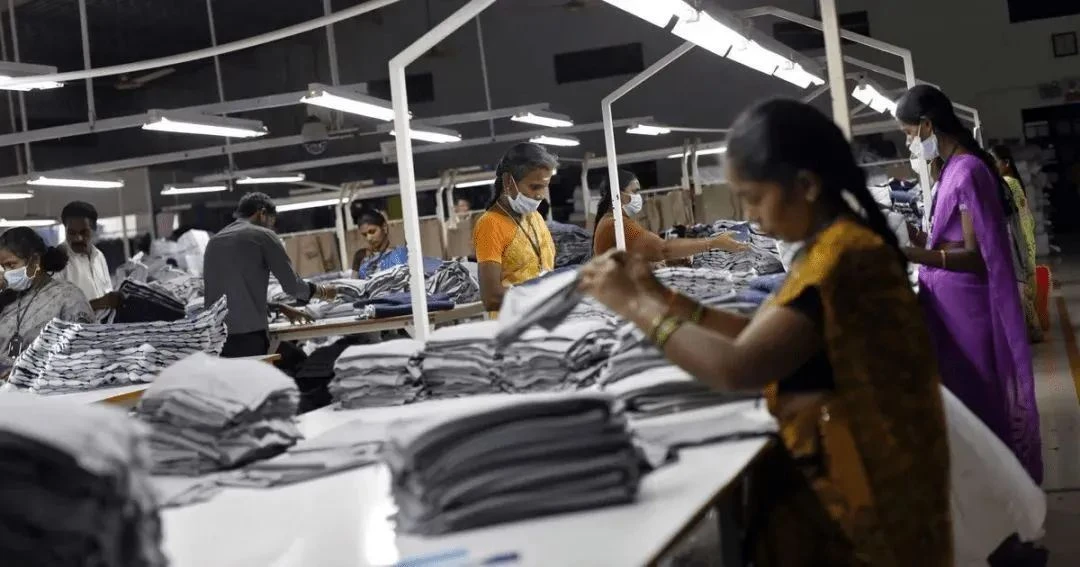
However, since the global COVID-19 epidemic in 2020, the economies of Southeast Asia and India have been severely affected by the epidemic due to poor control, and a large number of low-end manufacturing orders have returned to my country's Zhejiang and Guangdong, which are major export manufacturing provinces. In these areas, due to the large increase in the number of orders in a short period of time, the textile industry, which was already on the verge of elimination, suddenly "returned to the light" and began to flourish again.
However, the full order volume and expanded production capacity have not changed the status quo of the local textile industry's high energy consumption, serious pollution and ultra-low profit margins. Even under the premise of capacity expansion, the "involution" of the textile industry has become more and more serious, and profits have become even more meager.
Tietojoukko, jokainen voi verrata sitä, se on selvää yhdellä silmäyksellä.
In the first 8 months of 2021, the operating income of my country's textile industry was 1.6 trillion yuan, a year-on-year increase of 14 percent ; the operating cost was 1.42 trillion yuan, a year-on-year increase of 15 percent ; the textile industry realized a total profit of 64 billion yuan, a year-on-year increase only slightly. 2.2 percent . From this, it can be clearly seen that the speed of the domestic textile industry's cost increase is significantly higher than the turnover growth rate, especially significantly higher than the profit growth rate.

Current Situation of China's Textile Industry
In fact, China's textile industry has been in the stage of industrial transfer for a long time. The reason is that the profit is too low. In the domestic environment of pursuing the quality of economic development, such inefficient and high-energy-consuming industries have gathered in Zhejiang and started industrial upgrading early. For the province, it really shouldn't.
Itse asiassa Kiinan kotimaisen tekstiiliteollisuuden vaikeus ei ole pieni, koska alan kilpailu on liian kovaa. Jos tekstiiliyritykset haluavat säilyttää alkuperäiset asiakkaat ja markkinat, ne eivät vain pysty nostamaan hintojaan, vaan alkupään raaka-aineiden ja loppupään rahdin hintojen nousun myötä kotimaisten tekstiilituotteiden hinnat Kiinassa ovat edelleen laskussa, ja jotkut tekstiiliyritykset ovat jopa omakustannushintaa alhaisemmat. Myynti, luottaa vain 13 prosentin vientiveron hyvitykseen voiton kattamiseksi, joten kokonaisvaltaisesti voittoprosentti voidaan pitää vain noin 5 prosentissa, ja jokainen päivä on kovalla-ansaittua rahaa.